Fire Risk Assessment: Ensuring Comprehensive Fire Safety
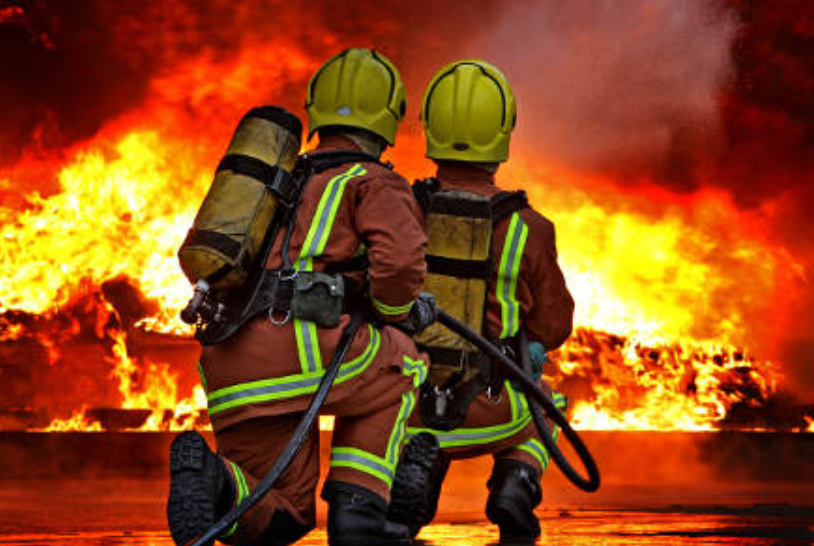
Fire poses one of the greatest threats to human life and property. Whether in a workplace, commercial building, or residential environment, the consequences of a fire can be devastating. Conducting a Fire Risk Assessment is an essential measure to prevent fire incidents and ensure that effective safety precautions are in place.
What is a Fire Risk Assessment?
A Fire Risk Assessment is a systematic evaluation of a building or facility to identify potential fire hazards, determine who may be at risk, and assess the adequacy of existing fire safety measures. The assessment focuses on preventing fires, reducing the impact of fire incidents, and ensuring compliance with fire safety regulations.
See also: Guide To Choosing The Right Used Car Model
Why Fire Risk Assessments Are Vital
- Protecting Lives
The foremost purpose of a Fire Risk Assessment is to protect people. By identifying potential hazards, implementing safety measures, and establishing evacuation procedures, the risk of injury or fatalities is minimized. - Safeguarding Property
Fires can result in severe damage to buildings, equipment, and valuable assets. A risk assessment helps identify vulnerabilities and implement preventive strategies to protect property. - Ensuring Legal Compliance
Many countries require organizations to conduct regular Fire Risk Assessments under health and safety legislation. Compliance helps avoid fines, penalties, and legal complications. - Minimizing Financial Loss
Fire incidents can lead to significant financial losses, including repairs, lost productivity, and increased insurance premiums. Risk assessments allow organizations to implement preventive measures and reduce financial exposure. - Raising Fire Safety Awareness
A Fire Risk Assessment encourages a culture of safety, making employees and occupants aware of potential hazards, safe practices, and emergency procedures.
Steps to Conduct a Fire Risk Assessment
- Identify Fire Hazards
Examine all areas of the premises for potential fire hazards, including electrical equipment, heating systems, cooking appliances, flammable materials, and poor housekeeping practices. - Identify People at Risk
Determine who may be affected by a fire, including employees, visitors, residents, and vulnerable individuals such as children, elderly, or disabled persons. - Evaluate the Risks
Assess the likelihood of a fire occurring and the severity of its potential consequences. Evaluate current fire safety measures such as alarms, extinguishers, sprinkler systems, and emergency exits. - Implement Control Measures
Introduce measures to reduce or eliminate risks. These may include removing combustible materials, maintaining electrical systems, installing fire detection equipment, and providing fire safety training. - Document Findings
Record all identified hazards, risk evaluations, and control measures. Documentation ensures accountability and demonstrates compliance with fire safety regulations. - Review and Update Regularly
Fire risk assessments should be reviewed periodically, especially after structural changes, new equipment, or changes in occupancy. Regular updates maintain the effectiveness of safety measures.
Common Fire Hazards
- Electrical faults and overloaded circuits
- Improper storage of flammable liquids or chemicals
- Blocked or inadequately marked emergency exits
- Poorly maintained heating or cooking appliances
- Unauthorized smoking areas
- Accumulation of combustible materials
Benefits of Professional Fire Risk Assessment
Professional fire risk assessors provide:
- Comprehensive hazard identification
- Accurate evaluation of fire risks
- Expert guidance on legal compliance
- Tailored recommendations for effective fire prevention
Fire Prevention Measures
Once a Fire Risk Assessment is completed, the following measures are recommended:
- Install smoke detectors, fire alarms, and sprinkler systems
- Ensure fire extinguishers are accessible and maintained
- Keep emergency exits clear and properly marked
- Conduct fire drills and fire safety training regularly
- Maintain electrical systems and heating appliances
- Store flammable and combustible materials safely
Conclusion
A Fire Risk Assessment is a critical part of fire safety management. It identifies hazards, evaluates risks, and ensures proper safety measures are in place to protect lives and property. Regular assessments, combined with preventive strategies and training, significantly reduce the likelihood and impact of fire incidents.
Investing in a thorough Fire Risk Assessment is not just a legal requirement—it is a proactive approach to fire safety that safeguards both people and property while promoting a culture of awareness and preparedness.