Building Homes That Support Modern Australian Living With Home Builders Port Macquarie

The concept of home in Australia has changed significantly over time. Homes are no longer viewed only as places to rest. They now support daily routines, productivity, comfort, and long term wellbeing. As expectations grow, the importance of informed home planning becomes even more critical.
For anyone considering building or upgrading a residence, understanding construction fundamentals, design priorities, and lifestyle needs can make the entire process more rewarding. Working with experienced home builders port macquarie provides a strong foundation for creating spaces that feel practical, comfortable, and future ready from the very beginning.
The Value of Strategic Home Planning
Successful homes begin with thoughtful planning. A well planned home balances visual appeal with functionality and adaptability. Every room should have a purpose, and every layout decision should support ease of movement and comfort.
Planning involves understanding how spaces connect with one another. Living areas should feel open without losing definition, while private areas should offer quiet and separation. Storage planning also plays a key role in maintaining a clutter free environment, helping the home remain organised and calm.
When planning is prioritised early, it reduces the likelihood of design changes later, saving time and effort throughout the build process.
Designing Homes Around Lifestyle Needs
Australian lifestyles often require flexible living environments. Homes should accommodate relaxation, social interaction, work, and personal downtime without feeling crowded or disconnected.
Design choices that support lifestyle needs include adaptable room layouts, natural transitions between indoor and outdoor areas, and clear zoning between shared and private spaces. These considerations allow homes to evolve with changing needs over time.
A home that reflects how people actually live provides greater satisfaction and long term usability.
Comfort Through Smart Design Choices
Comfort is influenced by more than furniture or decor. It begins with design fundamentals that support airflow, light, and thermal balance.
Orientation plays a crucial role in how a home performs throughout the year. Thoughtful placement of windows and living areas improves natural lighting and ventilation. This reduces reliance on artificial lighting and mechanical cooling while enhancing everyday comfort.
Designing with efficiency in mind also supports sustainable living, which continues to be a growing priority for Australian households.
Selecting Materials for Longevity
Material selection directly impacts how a home ages. Durable materials that suit local environmental conditions help maintain structural integrity and visual appeal over time.
When choosing materials, homeowners should consider long term performance rather than short term trends. Surfaces that are easy to maintain and resistant to wear contribute to a home that remains functional without constant upkeep.
Balanced material choices help create homes that feel timeless while supporting daily use.
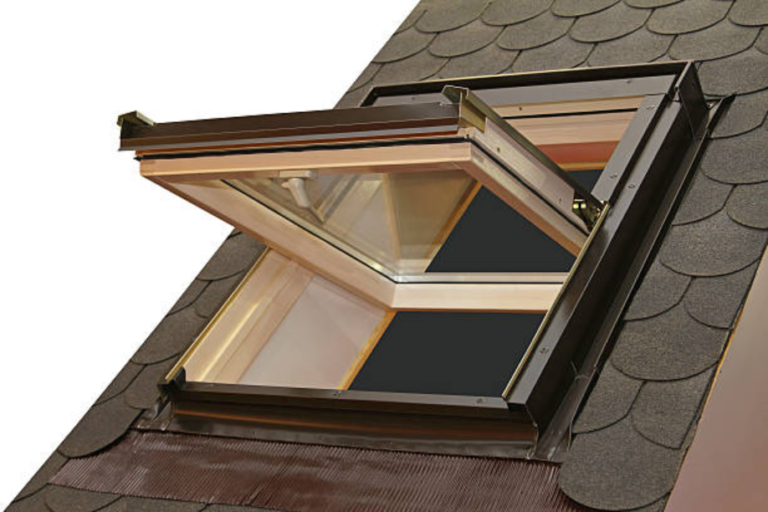
See also: Opening Skylight: The Complete Guide to Light, Ventilation, and Modern Living
Kitchens as Functional Living Spaces
Kitchens hold a central role in modern homes. Their design influences workflow, storage efficiency, and connection to surrounding spaces.
In the upper middle phase of planning, many homeowners explore options for kitchen renovations port macquarie to improve functionality and layout. A well designed kitchen supports ease of movement, practical storage, and seamless interaction with dining and living areas.
Rather than focusing solely on appearance, kitchen design should prioritise usability. Layout, bench space, and storage placement all contribute to a kitchen that supports everyday routines with minimal effort.
Supporting Productivity Within the Home
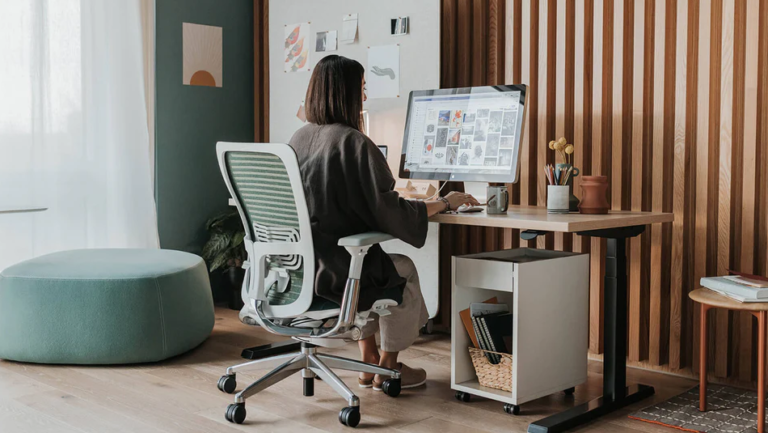
Modern homes are increasingly expected to support productivity. Dedicated areas for focused activities help maintain balance between work and personal life.
Designing spaces that reduce noise, improve lighting, and encourage organisation enhances productivity without overwhelming the overall layout. These areas should feel integrated yet distinct, allowing them to serve their purpose without disrupting the rest of the home.
Homes that support productivity offer greater flexibility and long term value.
Building With Future Needs in Mind
A well designed home should remain functional beyond immediate requirements. Future focused design allows spaces to adapt as needs change.
This may involve flexible room uses, thoughtful access planning, or infrastructure that supports future upgrades. Designing with adaptability reduces the need for frequent renovations and helps protect the value of the home over time.
Homes that anticipate change are better equipped to support long term living.
Understanding the Construction Journey
The construction process can feel complex without a clear understanding of each stage. Familiarity with the general progression helps homeowners feel more confident and informed.
Each stage builds upon the previous one, from planning and approvals through to structural work and internal completion. Knowing what to expect at each phase allows for better communication and decision making.
Clear documentation and consistent updates also contribute to a smoother experience throughout the build.
Budget Awareness and Decision Confidence
Budget planning is an essential part of any home project. Understanding how design choices impact cost helps homeowners make informed decisions without unnecessary pressure.
Rather than focusing only on initial expenses, it is important to consider long term value. Durable materials, efficient layouts, and quality workmanship often reduce maintenance costs over time.
A realistic and well managed budget supports better outcomes and fewer compromises.
Renovating Versus Building New
Homeowners often weigh the decision between renovating existing spaces and building from the ground up. Each approach serves different goals.
Renovations focus on improving functionality and comfort within an existing structure. They require careful planning to ensure consistency and efficiency. Building new allows for complete design freedom, enabling homes to be tailored entirely to current needs.
Understanding the strengths of each approach helps homeowners choose the path that best aligns with their objectives.
Creating Homes That Reflect Australian Living
Australian homes are shaped by climate, lifestyle, and cultural preferences. Open layouts, strong connections to outdoor areas, and practical design choices reflect the way Australians live.
Homes that prioritise natural light, airflow, and simplicity feel welcoming and comfortable. These design principles support everyday living while remaining visually balanced.
When homes reflect local living values, they feel more intuitive and enjoyable to occupy.
The Importance of Clear Communication
Clear communication is essential throughout any home project. Open discussions, well defined expectations, and timely decisions help ensure alignment between planning and outcomes.
When communication flows smoothly, potential challenges can be addressed early. This creates a more positive experience and helps maintain momentum throughout the process.
Strong collaboration supports confidence and clarity at every stage.
Making Informed Decisions With Confidence
Information empowers homeowners. Understanding design fundamentals, construction processes, and material choices allows for confident decision making.
When homeowners feel informed, they are better equipped to ask meaningful questions and evaluate options objectively. This leads to outcomes that align more closely with expectations and lifestyle goals.
Knowledge remains one of the most valuable tools in any home journey.
Conclusion
Building or improving a home is a significant investment in comfort, lifestyle, and long term wellbeing. Thoughtful planning, practical design, and informed choices form the foundation of successful residential spaces.
Homes that prioritise functionality, adaptability, and quality continue to support everyday living long after construction is complete. By focusing on these principles, homeowners can create spaces that feel balanced, efficient, and enduring.
CastleCrew remains dedicated to supporting Australian homeowners through informed design, construction insight, and a commitment to quality living spaces. For guidance, planning support, or next steps, you are welcome to contact the CastleCrew team for further assistance.