Why a Revetment Wall Is Essential for Waterfront Property Protection in West Palm Beach
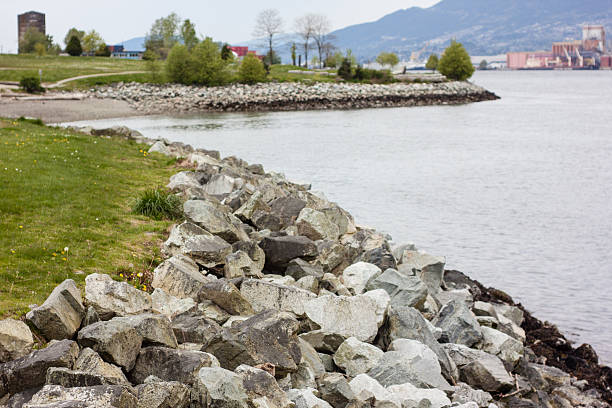
Owning waterfront property in West Palm Beach offers beautiful views, direct water access, and strong property value. However, coastal living also brings serious risks. Erosion, wave impact, tidal changes, and hurricanes constantly threaten shoreline stability. Without proper protection, land loss and structural damage can become costly and dangerous.
One of the most reliable solutions for long term shoreline protection is a professionally designed revetment wall. Unlike vertical seawalls, revetment systems use layered rock or armor stone placed along the shoreline slope to absorb and deflect wave energy. This design helps protect waterfront homes, docks, and landscaping from erosion and storm damage.
Understanding Shoreline Erosion in West Palm Beach
West Palm Beach sits along Florida’s Atlantic coastline, where tidal movements and storm surges are common. Over time, constant wave action gradually removes soil from the shoreline. Even small waves can cause progressive erosion if left unchecked.
Hurricane season intensifies this problem. Strong winds and rising water levels accelerate land loss and destabilize foundations near the water’s edge. Without a protective barrier, properties may experience sinking soil, cracked patios, damaged docks, or compromised foundations.
Waterfront protection is not just about preserving appearance. It is about preventing structural damage and protecting long term property value.
What Is a Revetment Wall
A revetment wall is a sloped shoreline stabilization system typically constructed using large natural stones, riprap, or engineered concrete armor units. The stones are strategically layered to absorb wave force rather than resist it vertically.
This sloped design reduces the intensity of wave rebound and limits scouring at the base of the structure. Because the energy is dissipated gradually, revetment walls are highly effective in coastal environments like West Palm Beach.
Key Features of a Revetment Wall
- Sloped structure that absorbs wave energy
- Large interlocking stones for stability
- Drainage layers that prevent water buildup
- Flexible design that adapts to minor soil movement
This system is particularly well suited for properties experiencing moderate to heavy wave exposure.
Why Revetment Walls Are Ideal for West Palm Beach
The coastal conditions in West Palm Beach demand a shoreline solution that can handle both daily tidal changes and extreme storm events. Revetment walls perform exceptionally well in this environment.
Unlike rigid vertical walls, revetments work with natural forces instead of resisting them entirely. This reduces pressure on the structure and lowers the risk of sudden failure.
Additionally, revetment walls blend naturally with the coastal landscape. Many homeowners appreciate the aesthetic appeal of natural stone, which complements tropical surroundings.
Protection During Hurricane Season
Hurricanes pose one of the biggest threats to waterfront properties in Florida. Storm surge, heavy rainfall, and high winds create powerful wave action that can erode unprotected shorelines within hours.
A properly installed revetment wall provides critical protection during these extreme conditions.
How Revetment Walls Help During Storms
- Break up incoming wave energy
- Reduce shoreline scouring
- Protect foundations and landscaping
- Minimize soil displacement
While no structure can eliminate all storm risk, revetment walls significantly reduce potential damage and repair costs.
Long Term Cost Savings
Some property owners hesitate to invest in shoreline protection because of upfront costs. However, ignoring erosion often leads to more expensive repairs in the future.
When erosion damages foundations, docks, patios, or seawalls, restoration can become significantly more expensive than installing preventive protection. A revetment wall helps stabilize the shoreline before serious damage occurs.
In many cases, protecting your shoreline also preserves property value. Waterfront homes with stable, reinforced shorelines are more attractive to buyers and appraisers.
Environmental Benefits of Revetment Walls
Revetment walls offer environmental advantages compared to certain hard vertical barriers. The sloped stone design allows water to flow more naturally while still reducing erosion.
Natural rock systems can also support marine habitats. Small gaps between stones create spaces where aquatic organisms can thrive. This helps maintain ecological balance along the shoreline.
In areas where environmental regulations are strict, revetment walls are often viewed as a shoreline friendly stabilization option when properly engineered and permitted.
Comparing Revetment Walls and Seawalls
Both revetment walls and seawalls serve protective purposes, but they function differently.
Seawalls are vertical barriers designed to block wave energy. They are effective in high energy environments but can reflect wave force downward, sometimes increasing erosion at the base.
Revetment walls use a sloped approach to absorb and dissipate wave energy. This often results in less scouring and better long term shoreline stability for certain property types.
When a Revetment Wall May Be Preferred
- Sloped shoreline conditions
- Moderate to heavy wave exposure
- Desire for a natural stone appearance
- Need for energy dissipation rather than wave reflection
Each property is unique, so professional assessment is essential before choosing a system.
The Importance of Professional Installation
Proper engineering and installation are critical for the effectiveness of any shoreline protection system. Factors such as soil composition, tidal patterns, and water depth must be evaluated carefully.
Professional marine contractors understand local building codes, permitting requirements, and environmental regulations in West Palm Beach. They design revetment systems with appropriate stone size, filter fabric layers, and base preparation to ensure long term stability.
Incorrect installation can lead to shifting stones, poor drainage, or structural failure. Working with experienced shoreline specialists ensures that your investment delivers reliable protection.
Maintaining Your Revetment Wall
Revetment walls are generally low maintenance, but periodic inspections are recommended. After major storms, checking for displaced stones or minor erosion around the edges helps prevent larger problems.
Simple maintenance steps can extend the life of the structure and maintain shoreline integrity.
Basic Maintenance Tips
- Inspect stones after storms
- Replace any displaced rock promptly
- Monitor for soil erosion behind the structure
Routine oversight helps preserve both function and appearance.
Protecting Your Investment for the Future
Waterfront property in West Palm Beach represents both a lifestyle and a significant financial investment. Shoreline erosion threatens not only land but also the safety and stability of structures near the water.
Installing a revetment wall is a proactive step toward long term protection. It stabilizes the shoreline, reduces storm damage risk, and supports property value preservation.
With increasing weather variability and rising sea levels, shoreline protection is becoming more important each year. A well designed revetment wall provides peace of mind and structural defense against the powerful forces of nature.
Final Thoughts
Living on the water in West Palm Beach offers unmatched beauty and recreational opportunities. However, coastal exposure requires thoughtful planning and protection.
A professionally installed revetment wall delivers reliable shoreline stabilization, storm resistance, and long term durability. By absorbing wave energy and preventing erosion, it protects your property from costly damage while enhancing its natural coastal appeal.
For waterfront homeowners seeking lasting protection and value preservation, investing in a revetment wall is not just a smart decision. It is an essential one.