Pergola Assembly Guide: Step-by-Step Tips for a Perfect Backyard Build
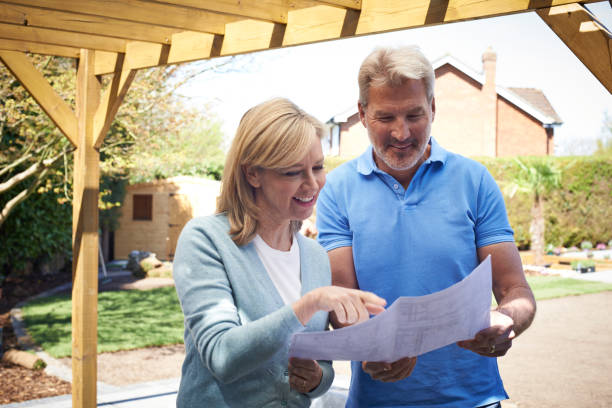
Building a pergola can turn a simple backyard into a stylish outdoor living space. Whether you are planning a relaxing seating area, a place to dine outside, or a space for climbing plants, a well-assembled pergola adds value and comfort to your home.
Learning the basics of pergola assembly helps ensure your project is smooth and successful. Whether you plan to do it yourself or hire help, understanding each step makes a big difference in the final outcome. For professional installation support, check out pergola installation and assembly services at We Install It.
Why Proper Pergola Assembly Matters
A pergola is more than just a decorative structure. It must be strong, level, and durable to withstand weather and everyday use.
Poor assembly can lead to unstable posts, uneven beams, and structural issues that shorten the lifespan of your pergola. With correct steps and careful planning, you can build a stable and long-lasting backyard structure.
Following a step-by-step guide also helps prevent unnecessary errors and ensures your pergola looks great for years to come.
Getting Ready: Tools and Preparation
Before you start pergola assembly, preparation is key. Having the right tools and clear workspace will make the process easier and safer.
Some basic tools and preparation steps include:
Tools You Will Likely Need
- Tape measure
- Level
- Drill or driver
- Ladder
- Helper or second set of hands
These tools help you measure accurately, drill fasteners correctly, and keep the structure level during assembly. Critical tools like a level ensure the pergola does not lean or shift during installation.
Step 1: Prepare Your Site
The first important step in pergola assembly is preparing the location.
Choose a flat, stable surface in your backyard. Clear the area of debris, rocks, and objects so you can work without obstacles. Make sure you have plenty of space to move around while assembling large components.
If you are anchoring your pergola to the ground, consider installing footings or concrete pads for extra support. This gives the structure a solid foundation and prevents shifting.
Step 2: Unbox and Inspect Components
Once your site is ready, it’s time to unpack your pergola kit.
Lay out all parts and compare them to the instruction list. Sort similar pieces together to make assembly easier later on. This helps you identify missing parts early and speeds up the build process.
Inspect all pieces for damage or defects before beginning. If anything is missing or incorrect, contact the supplier right away.
Step 3: Assemble the Base or Posts
Start your pergola assembly by building the base frame or posts first.
Stand the vertical posts in position and secure them according to your pergola kit instructions. Many pergolas come with pre-drilled holes for bolts or screws, making the assembly more straightforward.
At this stage, ensure that each post is perfectly vertical using a level. This makes the rest of the structure more stable and prevents leaning later in the build.
Having a helper is especially useful when raising posts and tightening bolts at the same time.
Step 4: Install Beams and Frame
With posts in place, the next step in pergola assembly is connecting horizontal beams.
These beams support the rafters and form the top of your pergola. Follow the manufacturer’s instructions carefully and make sure all crossbeams are square and aligned.
It helps to lightly fasten the connections at first and then tighten them fully once everything is in place. This approach gives you room to make small adjustments before final tightening.
At this stage you may also need to check dimensions and spacing to ensure proper alignment with your patio or outdoor space.
Step 5: Add Cross Rafters or Decorative Elements
Once the main frame is secure, you can begin adding cross rafters or decorative slats.
These help create the signature pergola look and provide partial shade in your backyard. Align them evenly across the frame and secure them according to your kit’s instructions.
Taking your time with this step makes your finished pergola look more polished and balanced.
Step 6: Anchoring and Stability
After building the basic structure, you need to ensure your pergola is stable and secure.
Pergola posts should be anchored to a stable surface like concrete, pavers, or a wooden deck. Depending on your site, you may use anchor bolts, ground screws, or concrete footings.
Anchoring prevents shifting or movement due to wind or everyday use. Checking stability before final tightening also ensures your pergola will remain solid over time.
Safety Tips During Assembly
Safety should be a priority throughout pergola assembly.
Helpful Safety Practices
- Wear gloves and safety glasses
- Keep electrical tools away from water
- Do not climb on the structure before complete assembly
- Have a helper assist with heavy lifting
These practices reduce the risk of injury and make the task more manageable. Always follow the safety instructions from your kit manufacturer for best results.
Common Mistakes to Avoid
Even with a good guide, mistakes can happen if you are not careful.
Here are a few common pitfalls to avoid during pergola assembly:
Mistakes to Watch For
- Rushing through steps without reading instructions
- Not checking level before tightening fasteners
- Missing pre-drilled holes or misaligning beam spacing
- Not anchoring posts securely
Taking your time and double checking each step helps ensure a successful build.
Finishing Touches and Customization
After your pergola is assembled and secure, it’s time to customize your space.
You can add outdoor curtains, climbing plants, fairy lights, or shade fabric to enhance the look and comfort of your pergola. Decorating your pergola makes it a more inviting space for relaxation or entertaining friends and family.
Routine maintenance like tightening bolts and cleaning the frame keeps your pergola looking great and lasting longer.
When to Consider Professional Help
Some pergola assembly projects are perfect for DIY enthusiasts, while others may be more complex depending on size and features.
If you feel unsure about anchoring, leveling, or electrical components like lighting or retractable canopies, consider hiring a professional. A trained installer can ensure your pergola is stable, safe, and correctly assembled.
Professional help can also save time and reduce frustration, especially on larger builds.
Enjoying Your Finished Pergola
Once your pergola is complete, it becomes a functional outdoor room that adds value to your home. Whether you use it for dining, lounging, or growing vines, a well-built pergola enhances your backyard experience.
With careful planning and proper pergola assembly, your backyard build can be a satisfying DIY project or completed with help from installation professionals for a perfect finish.