Beef Liver for Cats: How This Organ Meat Supports Energy, Vision, and Immune Health
When it comes to feline nutrition, few ingredients are as naturally nutrient-dense as liver. Among all organ meats, beef liver for cats stands out as one of the most powerful whole-food options for supporting energy, vision, and immune health.
Cats are obligate carnivores, meaning their bodies are designed to thrive on animal-based nutrients. While muscle meat provides protein, organ meats like liver deliver concentrated vitamins and minerals that play essential roles in daily biological function.
In this article, we’ll break down exactly how beef liver supports your cat’s health—focusing on vision, energy production, metabolism, and immune strength—so you can understand why this ingredient is so highly valued in natural feeding and treat options.
Why Beef Liver Is So Nutrient-Dense
Beef liver is not just another protein source. It is one of the most concentrated natural sources of essential nutrients found in any animal food.
Unlike processed cat treats that rely on synthetic vitamin additions, beef liver for cats provides nutrients in their natural, bioavailable form—meaning your cat’s body can absorb and use them more efficiently.
Key nutrients found in beef liver include:
- Vitamin A (retinol)
- Vitamin B12
- Iron
- Copper
- Folate
- Riboflavin (B2)
- Niacin (B3)
- Zinc (in smaller amounts)
- High-quality animal protein
Each of these nutrients plays a specific role in maintaining energy levels, immune defense, and organ function.
Vitamin A and Vision Health in Cats
One of the most important nutrients in beef liver is vitamin A, a fat-soluble vitamin that plays a critical role in feline vision.
Cats cannot convert plant-based beta-carotene into usable vitamin A efficiently. They rely on preformed vitamin A from animal sources—making liver one of the most biologically appropriate foods available.
How vitamin A supports vision:
- Maintains healthy retinal function
- Supports night vision and low-light adaptation
- Helps prevent vision deterioration over time
- Supports eye surface health and tear production
For cats, especially indoor pets or aging animals, maintaining strong vision is essential for quality of life. Vitamin A from beef liver for cats helps ensure the visual system remains responsive and healthy.
However, balance is important. Because liver is so rich in vitamin A, it should be fed as a treat or supplement—not as a full dietary staple.
Iron: Fueling Energy and Oxygen Transport
Another major benefit of beef liver is its high iron content, a mineral essential for energy production and oxygen transport in the blood.
Iron is a core component of hemoglobin, the protein in red blood cells responsible for carrying oxygen throughout the body. Without sufficient iron, cats can become lethargic and weak.
How iron supports your cat:
- Improves oxygen delivery to muscles and organs
- Supports stamina and daily energy levels
- Helps prevent fatigue and sluggish behavior
- Plays a role in red blood cell production
Because beef liver for cats contains heme iron (the animal-based form), it is far more absorbable than plant-based iron sources.
This makes liver particularly valuable for:
- Active cats
- Growing kittens
- Recovering or underweight cats
- Senior cats needing energy support
A small amount of liver can provide a significant nutritional boost due to its dense iron profile.
B Vitamins: The Metabolism Powerhouse
Beef liver is one of the richest natural sources of B vitamins, which are essential for converting food into usable energy.
Unlike carbohydrates or fats, B vitamins don’t provide energy directly—but they are required for metabolic reactions that release energy from nutrients.
Key B vitamins in beef liver:
- Vitamin B12 (cobalamin): Supports nerve function and red blood cell formation
- B2 (riboflavin): Helps break down fats, proteins, and carbohydrates
- B3 (niacin): Supports skin health and energy metabolism
- B6 (pyridoxine): Helps amino acid metabolism and neurotransmitter function
- Folate (B9): Supports cell growth and repair
How this benefits cats:
- Maintains steady energy production throughout the day
- Supports brain and nerve health
- Helps maintain healthy skin and coat
- Aids in cellular repair and growth
Because beef liver for cats provides these vitamins in natural proportions, it supports metabolic balance without the need for synthetic supplementation.
Immune System Support from Organ Nutrition
A strong immune system is essential for protecting cats from infections, inflammation, and chronic disease. Beef liver contributes to immune health in several important ways.
1. Vitamin A and immune defense
Vitamin A is not only important for vision—it also plays a critical role in immune system regulation.
It helps:
- Maintain healthy skin and mucosal barriers (first line of defense)
- Support white blood cell production
- Regulate immune responses to infection
2. Zinc and copper balance
Although present in smaller amounts, minerals like zinc and copper in beef liver for cats contribute to:
- Wound healing
- Enzyme production
- Immune cell function
3. High-quality protein for repair
Protein is essential for building antibodies and repairing tissue. The amino acids in liver support:
- Recovery from illness or stress
- Maintenance of lean muscle mass
- Cellular regeneration
Together, these nutrients make beef liver a powerful immune-supporting food rather than just a treat ingredient.
Energy Support: Why Cats Respond So Quickly to Liver
Many cat owners notice a common reaction when offering liver-based treats: immediate interest and alertness.
This isn’t just behavioral—it’s biological.
Beef liver for cats delivers a combination of:
- Iron for oxygen transport
- B vitamins for energy metabolism
- High-quality protein for fuel
- Natural aroma that triggers instinctive feeding behavior
Cats are hardwired to seek nutrient-rich organ meats in the wild because they provide quick access to essential survival nutrients.
This is why liver is often used for:
- Training rewards
- Encouraging appetite in picky eaters
- Re-engaging inactive or stressed cats
It’s not a “junk treat”—it’s biologically meaningful nutrition delivered in small amounts.
How Beef Liver Fits into a Balanced Feline Diet
While beef liver is incredibly nutritious, it is also highly concentrated. This means it should be used strategically rather than fed in large quantities.
Best practices include:
- Offering as a treat, not a meal replacement
- Using small portions (especially for training rewards)
- Feeding 2–3 times per week rather than daily in large amounts
- Balancing with muscle meat and complete cat food
Because beef liver for cats contains high levels of vitamin A, overfeeding long-term can lead to nutrient imbalance. Moderation ensures safety while still delivering benefits.
Fresh vs Freeze-Dried Beef Liver
Beef liver can be offered in several forms, including fresh, cooked, or freeze-dried. Each has advantages, but freeze-dried liver has become especially popular for convenience and safety.
Fresh raw liver:
- Highly nutritious but perishable
- Requires refrigeration and careful handling
- Risk of bacterial contamination
Cooked liver:
- Safer than raw
- Some nutrient loss due to heat
- Still requires preparation
Freeze-dried liver:
- Retains most nutrients
- Shelf-stable and convenient
- No cooking or prep required
- Easy to portion as treats
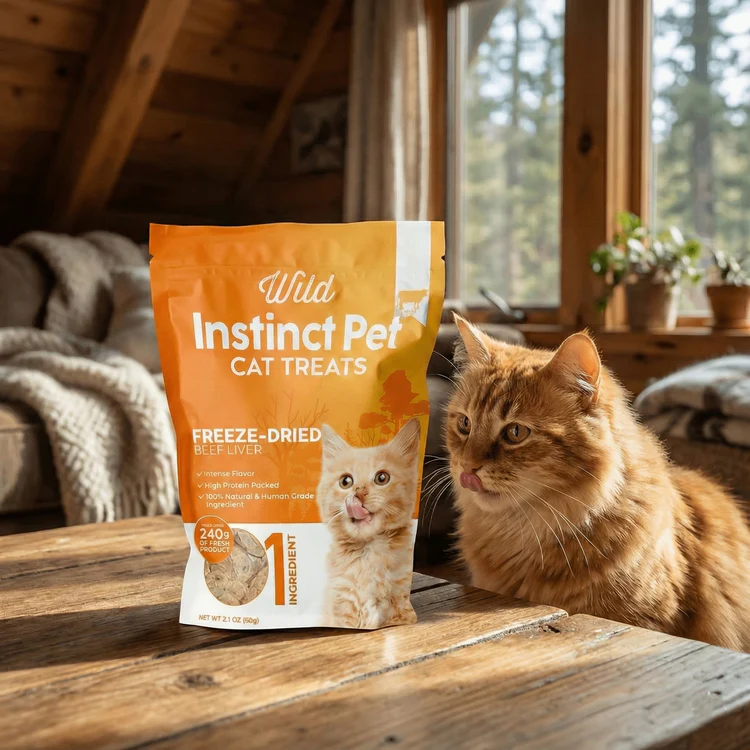
For many pet owners, freeze-dried versions of beef liver for cats provide the best balance of nutrition, safety, and ease of use.
Supporting Picky Eaters and Training Success
One of the most practical benefits of beef liver is its strong aroma and flavor profile. Cats that ignore kibble or standard treats often respond quickly to liver-based rewards.
This makes it ideal for:
- Clicker training
- Recall training
- Encouraging new behaviors
- Transitioning picky cats to better food habits
Because it is so palatable, even small pieces of beef liver for cats can serve as high-value rewards during training sessions.
Potential Considerations and Responsible Feeding
Despite its benefits, beef liver should be used thoughtfully.
Things to keep in mind:
- It is very rich in vitamin A
- Overfeeding can lead to nutrient imbalance
- Portion control is essential
- It should complement, not replace, complete diets
When used correctly, however, liver is one of the most effective natural nutritional tools available for cats.
Final Thoughts
Few ingredients in feline nutrition offer the concentrated benefits found in liver. From vision and immune defense to energy production and metabolic health, beef liver for cats delivers essential nutrients in a form that aligns perfectly with a cat’s biological needs.
Its richness in vitamin A supports eyesight, iron fuels oxygen and energy, and B vitamins drive metabolism and cellular health. Combined, these nutrients make beef liver one of the most functional and biologically appropriate additions to a cat’s diet—when used in moderation.
Whether served fresh or as freeze-dried treats, beef liver remains a simple yet powerful way to support long-term feline health naturally.