Portable Air Compressors, Marine Engines and Diesel Forklifts: Equipment Built for Demanding Jobs
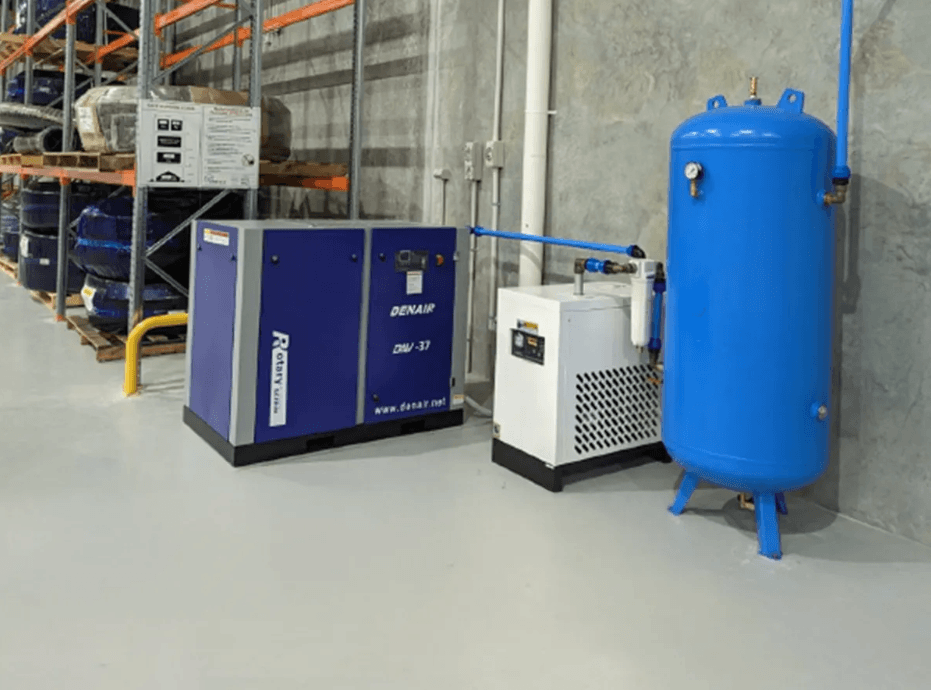
A portable air compressor operates in constantly changing situations. Open construction zones, roadside repair work, industrial maintenance areas, and remote project locations all place different pressures on equipment performance. Machinery used in these environments is rarely judged by appearance or size alone. What matters more is stability during long operating hours and the ability to continue working without uneven response under difficult conditions.
Heavy-duty equipment has gradually evolved around that expectation.
Earlier machines were often built around raw strength with less attention given to operating balance or long-duration handling. Current equipment is designed with a greater focus on thermal control, movement stability, fuel management, and continuous workload behaviour across physically demanding environments.
That shift is evident across construction machinery, marine systems, material-handling equipment, and industrial support machinery operating in harsh conditions today.
Portable Air Compressors and the Need for Mobility on Active Sites
Compressed air remains one of the most widely used power sources in construction and industrial work because it supports a wide range of field equipment without requiring a complex setup around the job area. A portable air compressor can be moved between work zones much more easily than fixed systems tied to permanent infrastructure.
Dust exposure, uneven terrain, vibration, and fluctuating operating demand all place pressure on compressor systems during continuous use. Modern units are therefore designed with stronger cooling systems, steadier airflow regulation, and more controlled fuel behaviour than earlier field compressors.
Noise reduction also receives greater attention now, particularly on urban infrastructure projects where equipment operates close to active public areas for extended periods.
Why Harsh Environments Demand More from Equipment
There are no ideal situations for heavy-duty equipment. Heat builds through the day. Dust settles into moving components. Ground conditions change between dry surfaces, loose aggregate, mud, and uneven terrain, depending on the stage of the project.
These conditions influence machine behaviour directly.
Cooling systems work harder during prolonged operation. Hydraulic assemblies experience constant movement under shifting resistance. Structural components absorb vibration repeatedly across rough operating surfaces.
Equipment designed for demanding jobs, therefore, needs greater operating balance rather than occasional bursts of high output.
Manufacturers now place more focus on durability across continuous work cycles. Air intake systems receive stronger filtration. Component housings are built with better sealing protection. Service access is arranged more practically because maintenance needs to happen quickly once machinery returns from long operating shifts.
The overall objective is steadier operation across difficult working environments rather than short periods of aggressive performance.
Marine Engine Systems Built for Continuous Load and Harsh Conditions
A marine engine operates under a very different form of pressure compared to most land-based industrial equipment. The machine often remains active for extended periods while handling changing load conditions.
Consistency becomes extremely important in these environments.
Modern marine engine systems are now engineered with smoother power delivery during acceleration and sustained movement. This improves handling behaviour across support vessels, cargo operations, and marine transport equipment where stable propulsion response influences overall vessel control.
Why Equipment Behaves Differently When Used Near Water
Marine environments expose machinery to different combinations that affect mechanical systems differently from dry land conditions.
Electrical systems require stronger insulation protection. Metal components receive specialised coatings. Cooling pathways are designed around more controlled temperature behaviour during continuous operation.
The movement of the vessel itself also changes how machinery behaves.
Engines continue operating while surfaces beneath them remain in motion through varying sea conditions. Maintenance planning, therefore, becomes far more preventive in marine environments. Operators monitor wear patterns closely because small mechanical inconsistencies tend to develop faster under continuous moisture and vibration exposure.
Equipment used in these conditions is generally engineered with greater emphasis on long-duration reliability and controlled performance over time.
Long Working Hours Have Changed Equipment Expectations
Heavy equipment now operates through longer working cycles than earlier project environments typically demanded. That operating pattern has influenced machine development considerably.
Cooling systems are built for steadier thermal behaviour during prolonged use. Fuel management systems are designed around controlled consumption rather than aggressive delivery patterns. Structural components are engineered to absorb continuous vibration more effectively across repetitive movement cycles.
Operators also expect smoother machine behaviour during long shifts.
See also: Exploring Offshore Fishing Adventures in Los Sueños
How Diesel Forklifts Handle Heavy Loads in Outdoor Yards
Diesel forklifts keep carrying heavy loads through long shifts on rough or wet ground. The real focus is not lifting strength alone. It is how evenly the machine keeps performing when the work keeps repeating without breaks.
They are used because they stay steady when the load builds up. Grip holds on uneven surfaces. Weight stays controlled without constant adjustment. The machine keeps its rhythm through long hours, which is why it fits outdoor handling work where conditions change through the day and movement never really stops.
Conclusion
Material handling equipment and other machinery used in demanding environments are often judged less by isolated specification figures and more by how they behave once conditions become difficult.
Steady response matters.
Operators usually prefer equipment that maintains controlled movement under load rather than machinery that feels aggressive during short bursts of operation. Predictable hydraulic response improves lifting accuracy. Stable engine behaviour supports smoother movement across changing terrain. Balanced drivetrain systems reduce unnecessary correction during repetitive handling activity.
That consistency becomes especially valuable once equipment operates across long hours in physically demanding conditions where the machine itself needs to remain composed under continuous pressure.