Complete Guide to Industrial Dehumidification Systems
Understanding Industrial Moisture Control Requirements
Industrial facilities operate in environments where humidity control is essential for maintaining process stability and protecting infrastructure. Excess moisture in the air can lead to corrosion, equipment malfunction, structural damage, and reduced operational efficiency. When humidity levels fluctuate beyond acceptable ranges, product quality and system reliability may be compromised. For this reason, a structured and technology driven approach to moisture management is necessary in manufacturing plants, storage facilities, processing units, and controlled production areas.
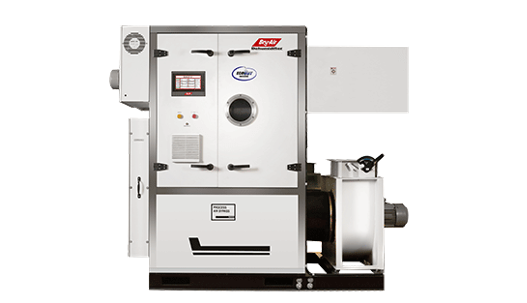
At the initial stage of implementing an effective humidity control strategy, selecting the appropriate system is critical. Within the first phase of planning, many facilities consider installing a high performance Air Dehumidifier to regulate indoor moisture levels. These systems are engineered to remove excess water vapor efficiently and maintain precise humidity conditions across large industrial spaces. Designed for continuous operation, they perform reliably in environments with high moisture loads and varying atmospheric conditions. Integrating a robust dehumidification solution early in the design phase helps establish a stable operational foundation.
Why Humidity Control Is Essential in Industrial Settings
Maintaining appropriate humidity levels directly impacts equipment longevity and operational performance. Excess moisture can accumulate on surfaces, creating conditions that accelerate corrosion and degrade materials. Electrical panels, control systems, and mechanical components are especially vulnerable to moisture exposure. Over time, uncontrolled humidity can increase maintenance requirements and reduce overall system efficiency.
Humidity management also supports environmental stability. When air conditions remain consistent, processes operate within defined parameters. This stability reduces variability and improves production consistency. Industrial dehumidification systems contribute to controlled indoor air quality and support a predictable operating environment.
Key Goals of Industrial Moisture Management
Effective moisture control systems are designed to achieve specific objectives:
• Maintain relative humidity within a defined and stable range
• Protect equipment, materials, and structural components from moisture damage
• Support energy efficient operation through optimized environmental control
By focusing on these goals, facilities can ensure long term operational resilience and improved performance.
Types of Industrial Dehumidification Technologies
Selecting the right technology requires understanding environmental conditions and operational demands. Industrial dehumidifiers are broadly categorized into refrigeration based systems and desiccant based systems. Each technology offers advantages depending on the application.
Refrigeration based dehumidifiers operate by cooling air to condense moisture, which is then removed from the environment. These systems perform well in moderate temperature settings. However, in low temperature or low humidity conditions, their efficiency may decline.
Desiccant based dehumidifiers function by using moisture absorbing materials to extract water vapor directly from the air. These systems are particularly effective in challenging industrial environments where precise humidity control is required regardless of temperature variations.
See also: Benefits of Educational Technology
Advantages of Desiccant Dehumidification Systems
Desiccant technology is widely preferred in industries requiring consistent low humidity levels. These systems use advanced rotor mechanisms that continuously absorb and release moisture through a controlled regeneration process. This enables stable operation even under demanding atmospheric conditions.
A well engineered Commercial Dehumidifier designed for industrial applications can handle substantial air volumes while maintaining accurate humidity control. Commercial grade systems are built for durability and long term performance, ensuring that facilities can operate without interruption. Their design allows seamless integration with ventilation systems and centralized monitoring platforms.
Features to Consider When Selecting a System
When evaluating industrial dehumidification equipment, several factors must be considered to ensure optimal performance:
• Capacity to manage the total air volume and moisture load
• Energy efficiency for continuous operation
• Compatibility with existing ventilation and control systems
In addition to these features, advanced control panels with remote monitoring capabilities provide greater operational visibility. Systems that offer scalable configurations allow facilities to adapt as requirements evolve.
Operational Benefits of Industrial Dehumidification
Implementing an effective moisture control strategy provides measurable operational advantages. Reduced humidity levels minimize the risk of corrosion and extend equipment lifespan. Maintaining stable atmospheric conditions supports process consistency and enhances overall production efficiency. When environmental variables are controlled, facilities can operate within defined specifications without unnecessary fluctuations.
Energy efficiency is another important benefit. By regulating moisture levels, dehumidification systems reduce strain on heating and cooling equipment. This balanced environmental control approach contributes to optimized energy consumption and long term cost savings.
Supporting Quality Standards and Regulatory Compliance
In many industrial sectors, maintaining specific environmental conditions is necessary to meet quality and compliance requirements. Controlled humidity ensures that production standards are met and that sensitive processes remain stable. Reliable dehumidification systems offer precise control mechanisms and consistent performance that align with industry guidelines.
Environmental monitoring features enable documentation of humidity levels over time. This transparency supports internal audits and regulatory assessments. Maintaining compliance through proper humidity control strengthens operational credibility and reduces the likelihood of performance disruptions.
Integration and Long Term Performance Planning
A comprehensive moisture management strategy extends beyond equipment installation. Facilities must evaluate long term operational goals and infrastructure compatibility. Integration with building management systems enhances centralized control and simplifies monitoring. Regular maintenance and performance assessments ensure continued reliability.
Selecting a trusted manufacturer plays a significant role in achieving sustainable results. Established providers offer technical expertise, engineered solutions, and dependable support services. Long term partnerships help facilities adapt to evolving requirements and technological advancements.
Conclusion
Industrial dehumidification systems are essential for maintaining environmental stability, protecting infrastructure, and supporting efficient operations. By understanding the differences between available technologies and assessing facility specific requirements, organizations can select solutions that deliver consistent and reliable humidity control. High performance systems, including advanced desiccant based solutions, provide the precision needed for demanding industrial environments.
Partnering with an experienced provider such as Bry-Air ensures access to innovative moisture control technologies and comprehensive support. Investing in the right dehumidification strategy strengthens operational resilience, enhances energy efficiency, and safeguards long term productivity.